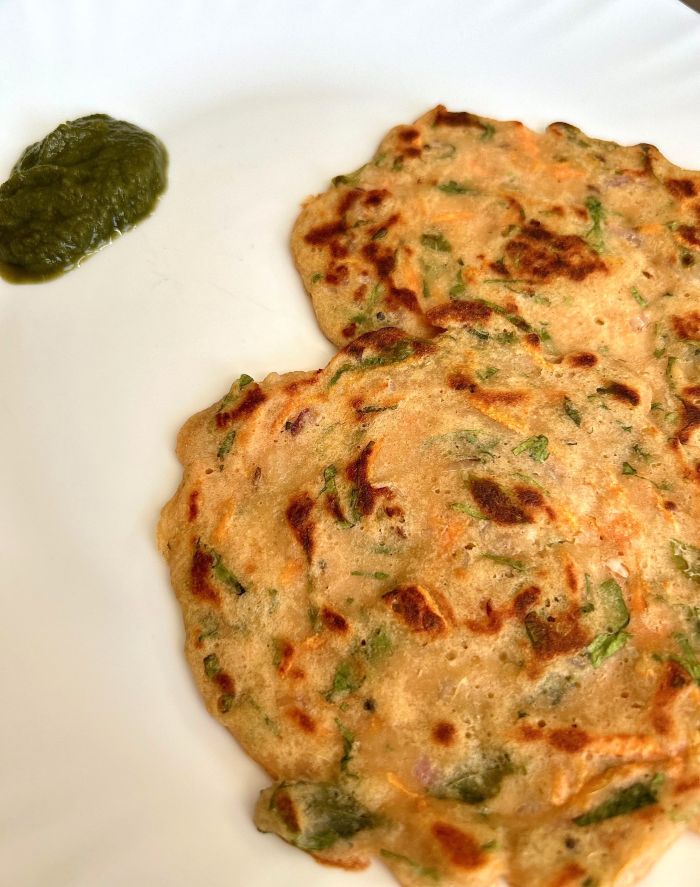
Dalia and Masoor/Moong Dal Cheela
Boost your breakfast with Dalia Moong Dal Cheela – a nutritious, high-fiber, and protein-rich twist on the classic moong dal cheela. Perfect for nutritious filling breakfast!
Dalia Moong Dal Cheela is a healthy and delicious twist on the traditional moong dal cheela recipe. While moong dal cheela on its own is nutritious, the addition of dalia (broken wheat) makes it even more wholesome, fiber-rich, and energy-boosting. It is perfect for a filling breakfast.
Dalia is an excellent source of dietary fiber, complex carbohydrates, iron, and vitamin B6. When combined with protein-rich moong or masoor dal, this cheela becomes a well-balanced meal, offering the ideal mix of carbs and protein to kickstart your day.
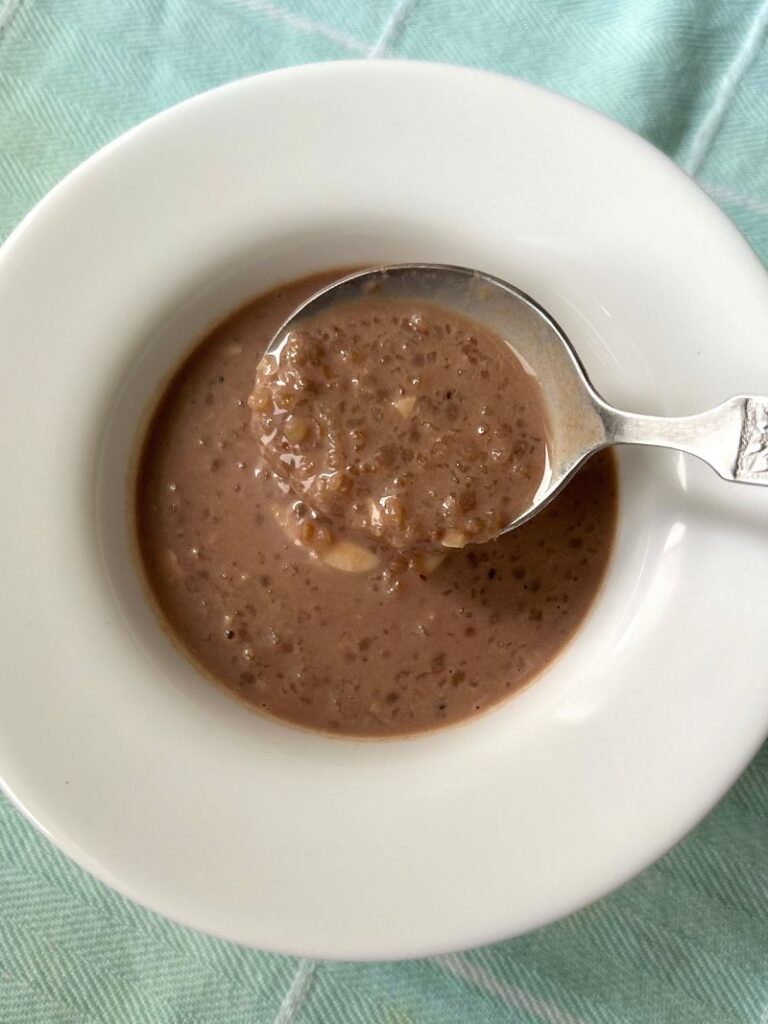
Check out this delicious porridge recipe for kids and adults, Dalia Porridge for Picky Eaters. This porridge is an ideal breakfast with a good balance of protein, calcium and carbs. For more such nutritious breakfast recipes, check out this: Kid Friendly Breakfast Recipes.
More About Dalia and Dal Cheela
This cheela is made using common ingredients available in every kitchen and it doesn’t require much time and labour. Sometimes common ingredients produce such magic that even the most gourmet ones lack.
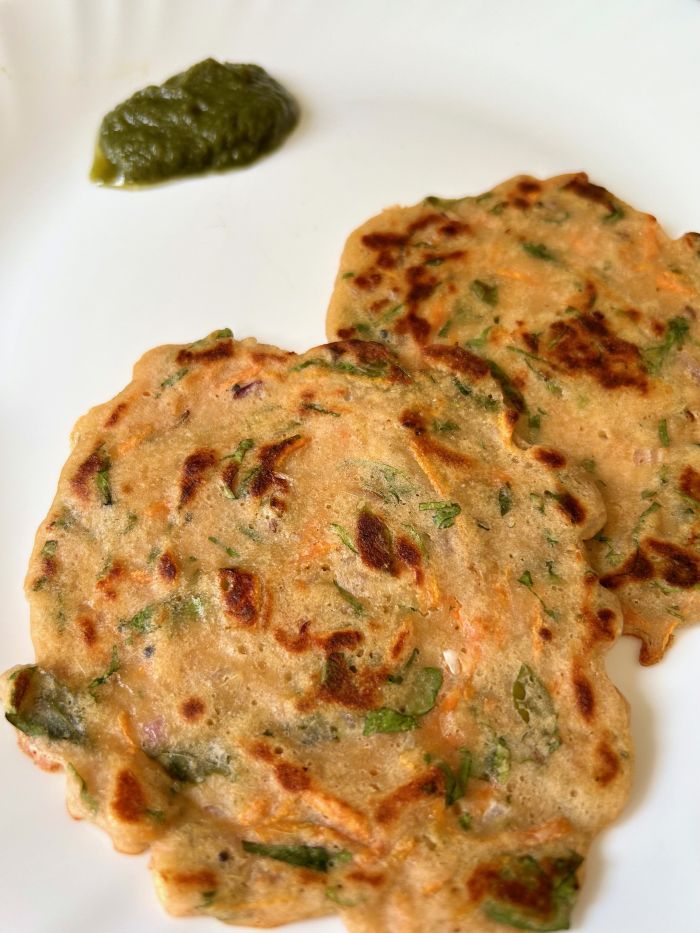
All you need is equal quantities of dalia and dal. I have used masoor (red lentils) dal in the recipe but also have made it several times using moong dal. To make the batter we would need some curd or buttermilk and vegetables to add in the batter to make it fibre rich.
The batter for the cheela should be thick enough to spread well. If the batter is too thick, add very little water. If batter is too thin, you can thicken it by adding besan or rice flour. For vegetables, I have added shredded carrots, spinach, capsicum and onion.
Why Dalia (Broken Wheat) is Ideal for Breakfast?
Broken wheat is made by milling whole raw wheat grains coarsely. Wheat is cleaned and husked and then processed to the required size, giving it a distinct texture and a slightly nutty flavour.
- Rich in Fibre: Dalia’s high fibre content makes it an excellent food for your digestive health. It aids in bowel movements and prevents constipation. It helps you feel full for longer, reducing your overall calorie intake.
- Rich in Protein: It is a good source of plant-based protein, making it an excellent addition to vegetarian and vegan diets. 100 grams of dalia, gives you 12 grams of protein. If you combine dalia with other protein rich sources like milk or lentils, it balances the whole protein profile.
- Low Glycemic Index (GI): Dalia has a low glycemic index (GI), which means it releases sugar slowly into the bloodstream. This makes it a great food choice for people who are border line diabetic or people suffering from diabetes.
- Bone Health: It provides magnesium and phosphorus, which are crucial for maintaining strong bones and teeth making it a great choice for kids and people above 50.
- Essential Vitamins & Minerals: It is a good source of B vitamins (like thiamine and niacin), and iron, which are vital for energy, bone health, and overall well-being.
Step by Step Instructions
For detailed recipe, refer the recipe card below
1. Wash and soak masoor or moong dal in water for an hour. Soaking softens the lentils and helps in easier digestion. So, I strongly recommend this step.
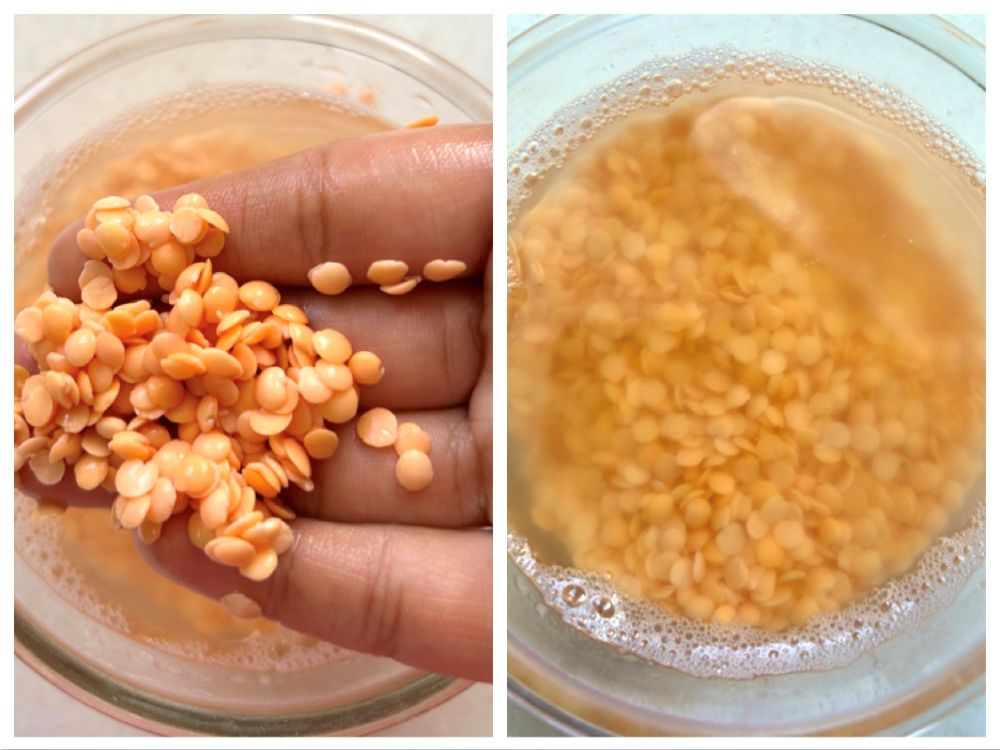
2. Soak dalia or broken wheat in hot water for 15-20 minutes. Dalia will soak the water and will soften.
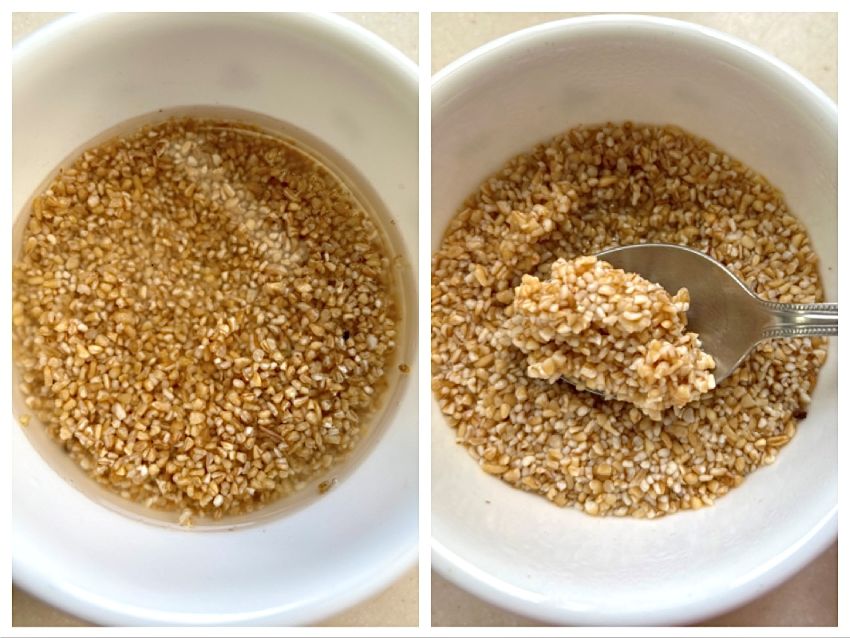
3. Drain the water from dal and dalia. Combine dal, dalia, curd, water, green chili (optional) and ginger in a blender. Blend well to form a smooth batter. The batter should neither be too thick of thin.
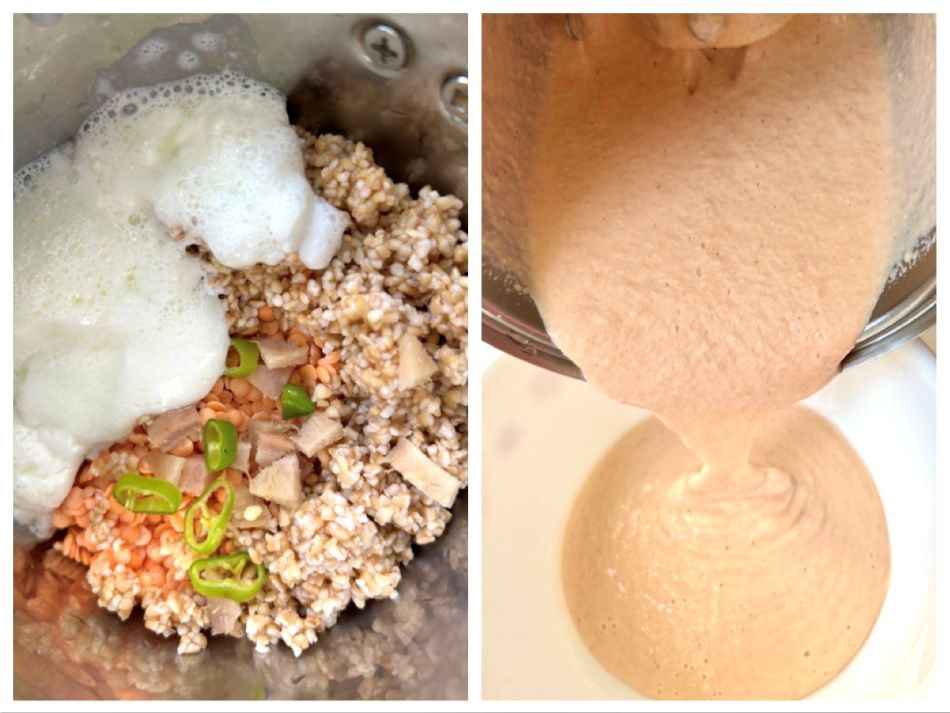
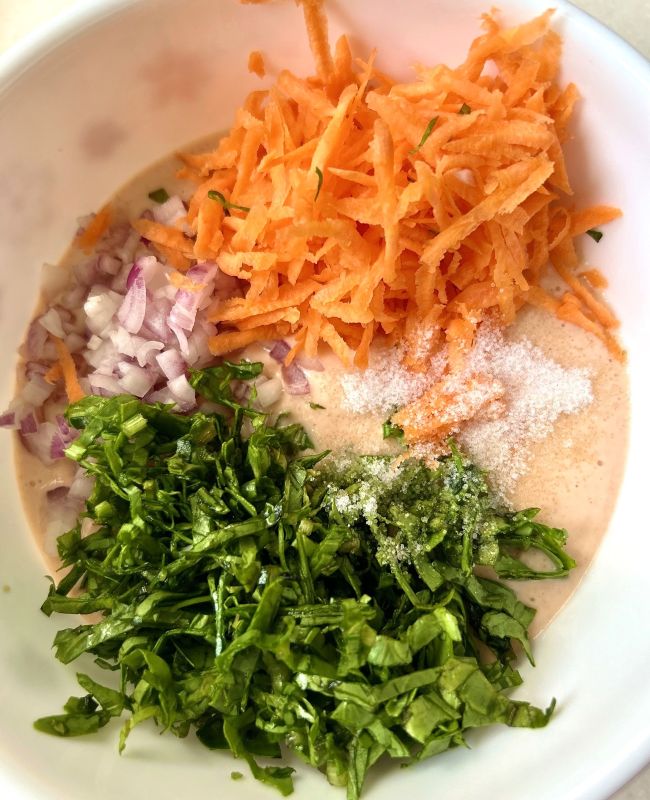
4. Transfer the batter in a bowl and add your choice of vegetables. I added some shredded carrots, spinach leaves, capsicum and onion. Add salt to taste and mix well.
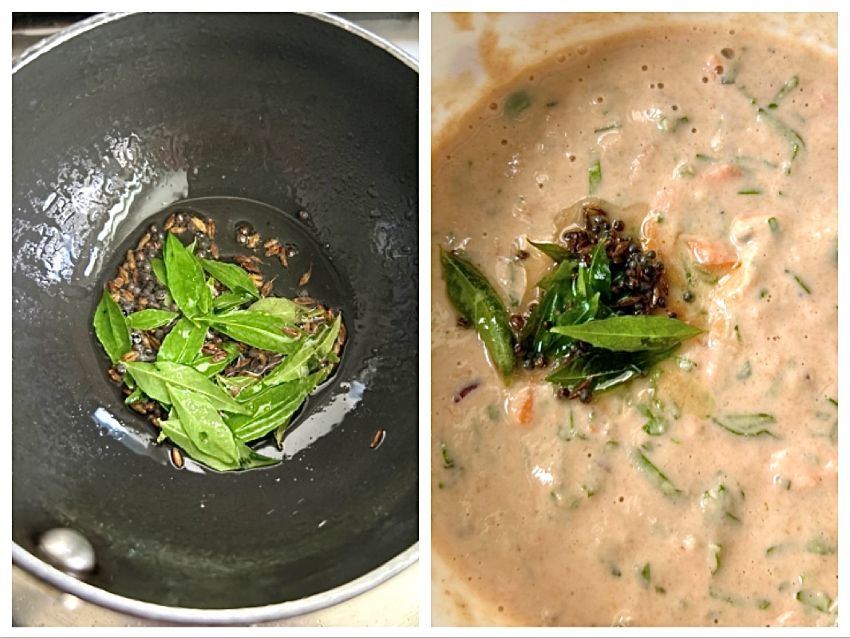
5. For tempering the batter, heat a tsp of oil in a tadka pan. Add mustard seeds, cumin seeds, asafetida/hing and some curry leaves. When mustard seeds start spluttering, switch off the flame and add the tempering to the prepared batter. This tempering gives an amazing taste. Also, the oil added in the batter will ensure even cooking of the cheela.
6. Heat a non-stick or cast iron tawa on a medium heat and grease it with ghee or oil.
7. Pour a laddle full of batter and spread evenly. Add a little oil or ghee around the edges and cook till the edges brown and the top sets.
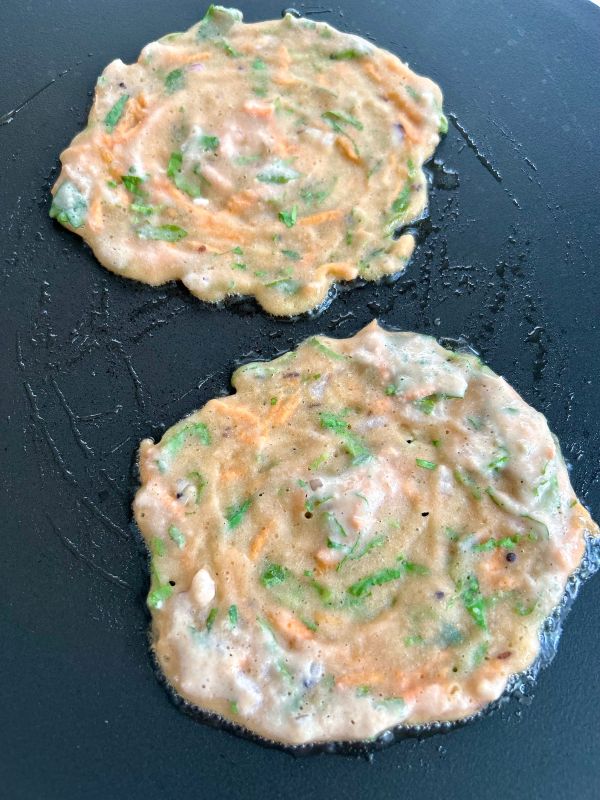
8. Flip and cook the other side till it gets a nice golden brown colour.
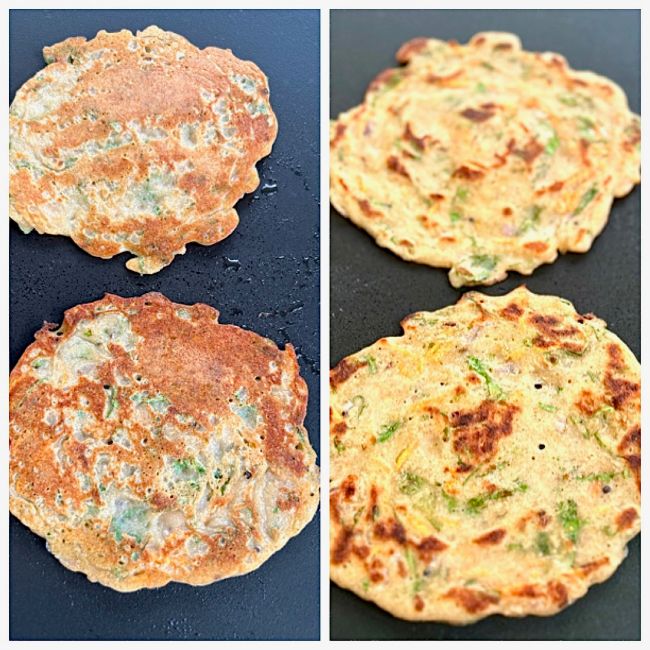
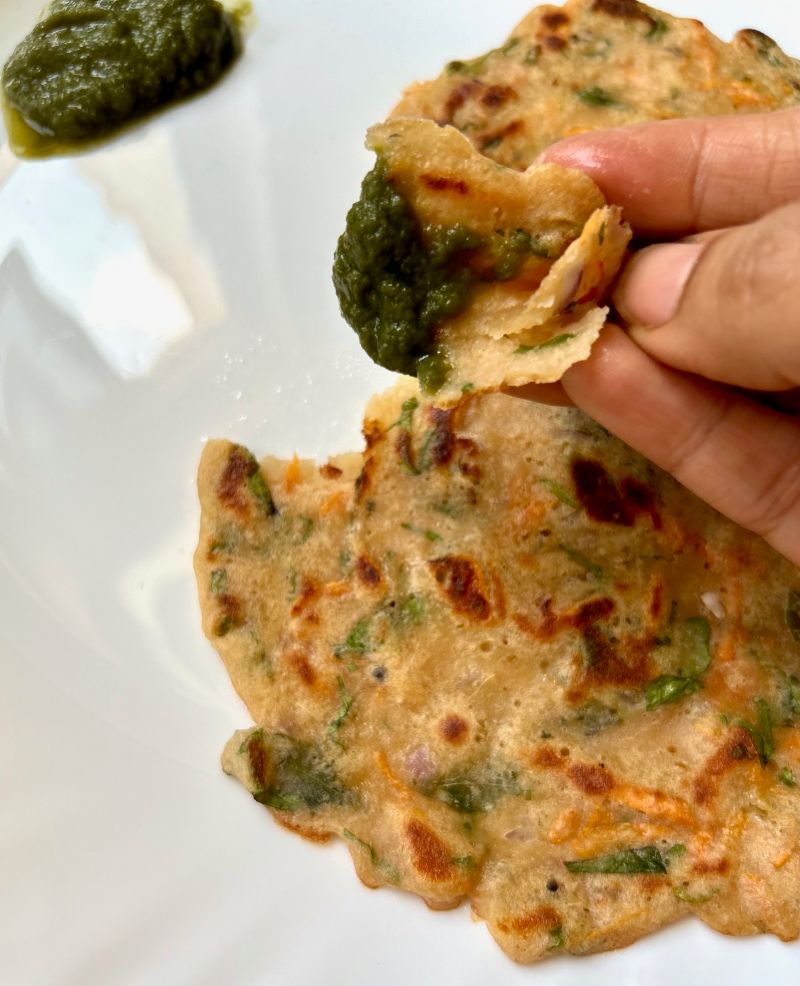
9. Serve the cheela hot with chutney of your choice.
Serving Suggestions
These cheelas are incredibly versatile and taste amazing with a variety of chutneys. Here are my favorite pairings:
- Peanut chutney – creamy and nutty, perfect for days you are fasting
- Coconut chutney – light and refreshing
- Kara chutney – if you’re in the mood for something spicy and bold!
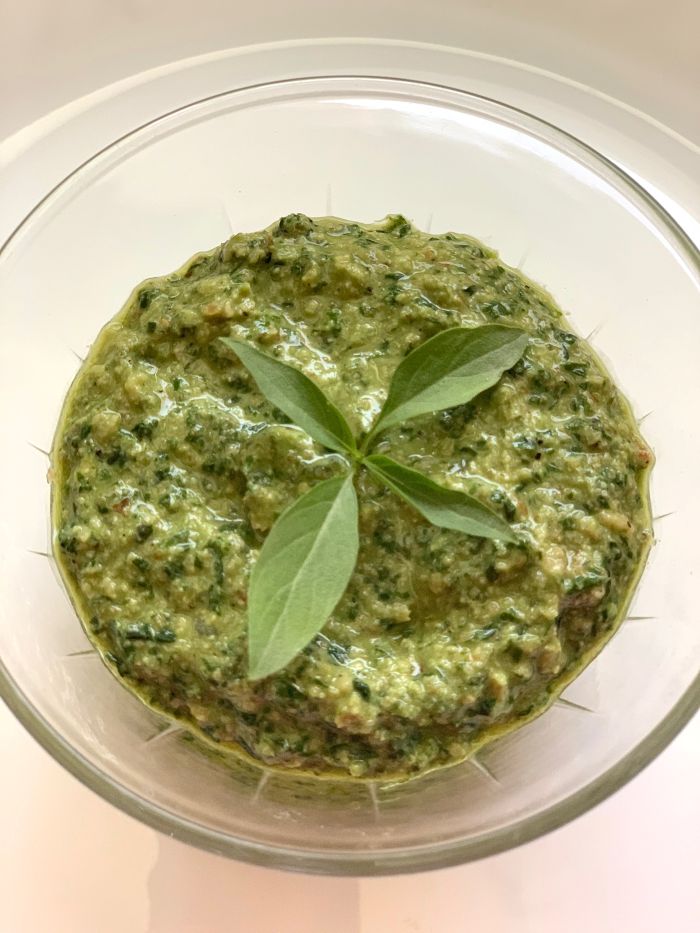
- Green Chutney (coriander and mint)
Pro Tips
1. These cheelas require soaking time – 30 minutes to and hour for dal and 15 minutes for dalia, so plan it accordingly.
2. The batter for the cheela should be thick enough to spread well. If the batter is too thick, add a little water. If the batter is thin, add some besan (gram flour) or rice flour.
3. Use your choice of vegetables and herbs in it. Coriander and mint also tastes great. You can also try these with shredded beetroot instead of carrots.
4. You can use either curd or buttermilk for this recipe. They both work great.
Dalia and Masoor/Moong Dal Cheela
Ingredients
For Batter
- 1/2 cup Broken Wheat or Dalia
- 1/2 cup Masoor or Moong Dal (Red or Yellow Lentil)
- 1/2 cup Curd
- 1 inch Ginger
- 1 small Green Chili (optional)
- 1/2 cup Shredded Carrot
- 1/2 cup Spinach Leaves
- 1/4 cup Chopped Onion
- 1/4 cup Capsicum
- 1/8 cup Water or as required
- Salt to taste
- Oil/Ghee for Cooking
For Batter Tempering
- 1/2 tsp Cumin Seeds
- 1/2 tsp Mustard Seeds
- 1 pinch Asafortida/Hing
- 8-10 Curry Leaves
- 1 tsp Oil
Instructions
For Batter
- Wash and soak masoor or moong dal in water for an hour. Soaking softens the lentils and makes it easier to digest. So, I strongly recommend this step.
- Soak dalia or broken wheat in hot water for 15-20 minutes. Dalia will soak the water and will soften.
- Drain the water from dal and dalia. Combine dal, dalia, curd, water, green chili (optional) and ginger in a blender. Blend well to form a smooth batter.
- Transfer the batter in a bowl and add your choice of vegetables. I added some shredded carrots, spinach leaves, capsicum and onion. Add salt to taste and mix well.
- Transfer the batter in a bowl and add your choice of vegetables. I added some shredded carrots, spinach leaves, capsicum and onion. Add salt to taste and mix well.
- For tempering the batter, heat a tsp of oil in a tadka pan. Add mustard seeds, cumin seeds, asafetida/hing and some curry leaves. When mustard seeds start spluttering, switch off the flame and add the tempering to the prepared batter.
For Cooking
- Heat a non-stick or cast iron tawa on a medium heat and grease it with ghee or oil.
- Pour a laddle full of batter and spread evenly. Add a little oil or ghee around the edges and cook till the edges brown and the top sets.
- Flip and cook the other side till it gets a nice golden brown colour.
- Serve the cheela hot with chutney of your choice.
Notes
- These cheelas require soaking time – 30 minutes to and hour for dal and 15 minutes for dalia, so plan it accordingly.
- The batter for the cheela should be thick enough to spread well. If the batter is too thick, add a little water. If the batter is thin, add some besan (gram flour) or rice flour.
- Use your choice of vegetables and herbs in it. Coriander and mint also tastes great. You can also try these with shredded beetroot instead of carrots.
- You can use either curd or buttermilk for this recipe. They both work great.
If looking for a healthy twist on a traditional favorite, these cheelas are sure to hit the spot. Let me know if you have tried it and which chutney you paired it with! Would love to hear from you. 🙂